ERP has a fundamental problem
According to recent studies, medium-sized companies spend
20 to 25% of their ERP operating time on updates or release upgrades.
During such modernization projects, no significant further developments can be made to the ERP system.
Specifically: According to surveys, the average useful life of an ERP system is 11.7 years, or 140 months.
On average, medium-sized companies spend up to 35 months on update and upgrade projects. That's almost three years of significant costs and high personnel expenses.
No wonder many decision-makers have the impression that high costs, numerous project problems, and regular waiting for the new release are the norm.
Why is that actually the case?
Business developments require structural enhancements to the ERP software used, but progress cannot be made without a prior modernization project.
Whether it's a new foreign subsidiary, new profit center structures, or new industry requirements, companies constantly find themselves dealing with release upgrades and updates that must be completed before they can achieve their actual goals.
In addition, there are technical updates and upgrades that are initiated by the ERP provider for technical reasons.
Scientific surveys show that the vast majority of ERP users follow the release cycles of ERP providers.
However, this leads to precisely the problem that the further development of business processes is slowed down during upgrades and updates.
This effect arises because the program status of the updated system must first be thoroughly tested before it is available in its entirety, including the productive database. During this test phase, changes to data, configurations, and programs are virtually impossible to implement. This situation often lasts for more than six months.
Small and medium-sized enterprises thus spend up to 20% of the total operating time of their ERP system in "maintenance mode."

This is how the Rolling Release works!
The oxaion rolling release is a continuous, simple mechanism that keeps your oxaion ERP up to date.
Thanks to a high degree of automation that takes individual system components fully into account, the personal effort required for system updates is reduced to very specific testing tasks and approval processes.
This means your oxaion ERP always remains up to date.
With the rolling release, you not only receive patches quickly and easily, but you also continuously receive new features developed by oxaion.
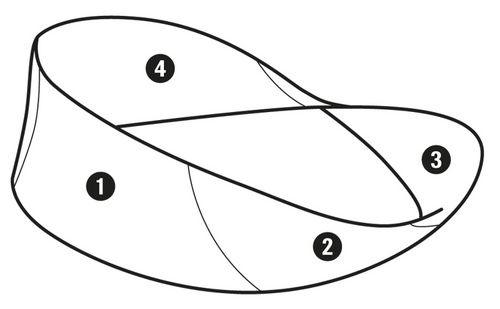
Phase 1: Release
The released new patch will be automatically provided to you.
Phase 2: Merge
Automatic merging of the program version into the test environment of your individual customer system.
Phase 3: Testing
You will receive a test list and review the new update for changes relevant to you.
Phase 4: Go-Live
After your approval, the rapid and automated transition to the production environment of your oxaion ERP system will take place.
The Rolling Release at a glance
-
Reduced project complexity: Small but continuous updates remain manageable.
-
Up-to-date release maintenance: Regular updates keep your ERP system always current.
-
Higher update quality: Greater control for your IT department through frequent application.
-
Significant reduction in lead time: Update cycles now only take one to two weeks.
-
Significant reduction in effort: You save over 50%.
-
Up-to-date ERP system: Earlier availability of new standard functionalities.
-
Reduced need for customization: Fewer modifications required due to the system's up-to-date status.
-
Improved and faster support: Fewer outdated systems mean broader expertise is available from your ERP provider.
-
Legal compliance: Better coverage of legal requirements through continuous updates.
-
Increased security: The latest system foundation provides maximum IT security.